


The dreaded courier message has arrived: your parcel is stuck in customs. This can happen once you start shipping abroad to non-EU countries.
A customs hold can be a real headache for ecommerce businesses and dropshipping operations. It's also one of the main reasons why international logistics can get so complicated.
But don't panic! Now is the time to follow the parcel's customs clearance procedures by completing the necessary paperwork or paying the fees required by the destination country.
At this point, you probably want to know why the parcel was held. And also: how long does customs clearance take? How can you avoid this situation happening again in the future?
In this article, we'll answer these questions and help you understand why parcels get stuck in customs, how to release them, and how to prevent it from happening again. Let's get started!
Table of contents:
Why does a parcel get stuck in customs?
Who holds and releases shipments?
How to clear a parcel through customs in 4 steps
How long does customs clearance for a parcel take?
How to prevent parcels from being held in customs
How to optimize your international shipments
Why does a parcel get stuck in customs?
First of all, it's important to understand why the goods you shipped were held by customs. This first step will help you figure out what action to take.
However, this is a bigger challenge than it seems. Most online shops receive a delay notification from customs without knowing the actual reason for the hold.
Or, you might spot the parcel held in customs notice while tracking the shipment via its tracking code.
That said, let's take a look at the most common reasons why parcels are held at customs:
unpaid customs duties;
insufficient shipping documentation;
incorrect use of the customs code;
presence of counterfeit goods;
a parcel containing a prohibited or dangerous item on the list of goods subject to restrictions or bans (on entering or leaving the country);
errors in the stated content and value of the shipment;
package dimensions and weight that don't comply with regulations.
The good news, if you want to sell abroad, is that the most frequent causes of holds are also the ones you have direct control over before the parcel even leaves.
Make sure in advance that all customs documents (including DDP, CN22, CN23, CP71, etc.) are compliant and that customs fees - which are always the sender's responsibility - have been paid.
Usually, all the information about the documentation and duties required for a given type of product and shipment is available on the carriers' websites.
Who holds and releases shipments?
The body that holds or allows a parcel to continue on its journey is the customs authority of the destination country. It is responsible for carrying out the relevant checks and issuing the customs clearance certificate.
If parcels don't meet the rules set by the customs authorities, the shipment will be held, and the sender will need to go through customs clearance to have it released.
How to clear a parcel through customs in 4 steps
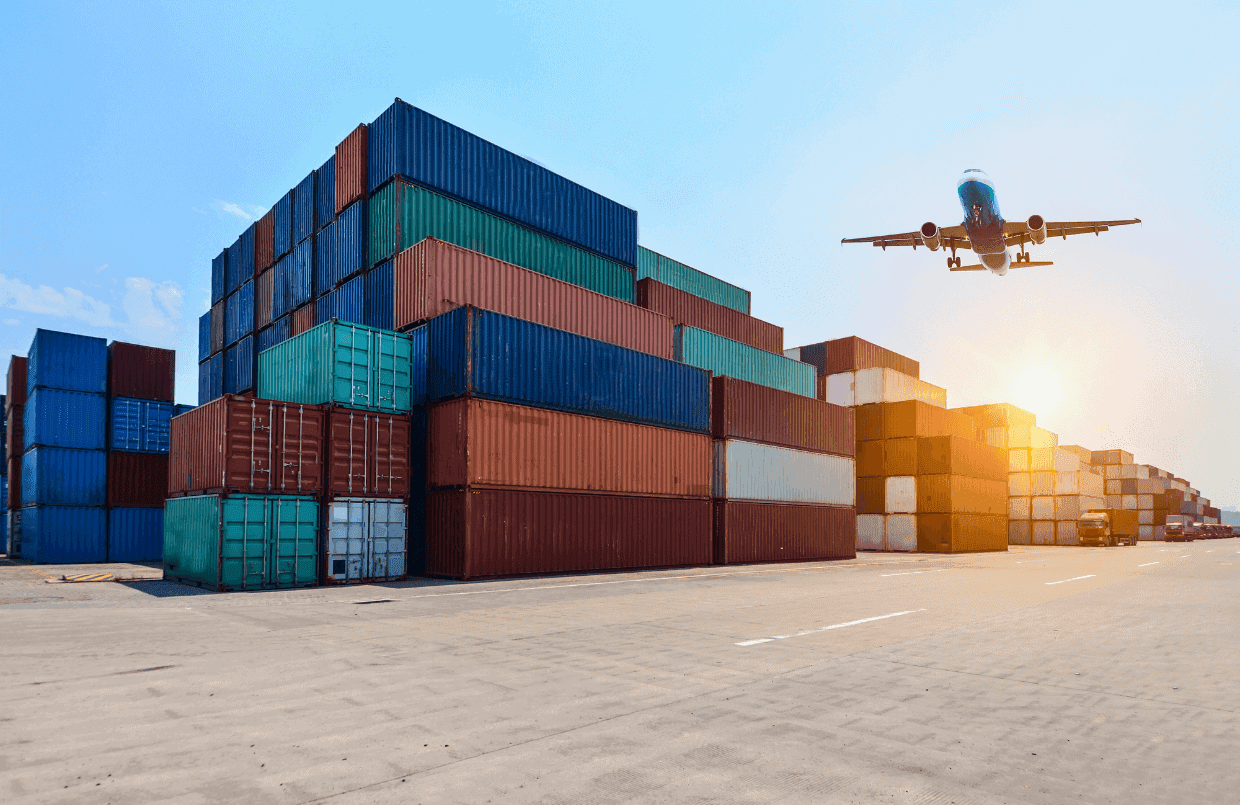
Now for the most important concern: how to clear a parcel through customs so it can be released and delivered to the customer. Here are a few steps to take to clear your shipment as quickly as possible.
1. Understand the customs process
First of all, it's important to understand that not all customs holds are due to a problem with the shipment itself.
Customs procedures in most foreign countries tend to take a bit of time to complete, usually 2-3 business days. This is especially true if you choose a shipping method that requires more checks, such as international airmail.
Parcels are generally inspected by customs officers, who verify that the contents match what has been declared and that the value of the goods has also been correctly declared via the customs forms CN22 and CN23.
There isn't much you can do to speed up these customs inspections, so it's often best to simply wait.
To help you better understand a typical customs process, here are the standard stages.
Document validation
In the first stage of the procedure, a customs officer validates the shipment's documents to make sure everything is in order. At this point, any missing, incomplete, or incorrect information is identified and flagged. Sometimes the contents of the parcel are also examined to check that they match what was declared.
Duties and taxes
Next, the customs duties and import taxes to be paid on the shipment are determined based on its contents and documents. These charges depend on a number of factors, including the type of item and its economic value.
To assess the correct rates, the import regulations of the European or non-European country are also taken into account. Depending on the country, ecommerce retailers may be able to take advantage of rules that speed up customs clearance and waive duties and taxes for low-value items.
In most cases, import duties are applied to items that have a certain value. Taxes are then calculated based on the percentage assigned to the relevant category of items.
If you want to ship to the US, for example, you should know that goods worth more than 800 dollars are subject to import duties and taxes. Generally, customs tariffs are calculated based on the value of the products imported into the United States (ad valorem). In some cases, however, the duty varies depending on the country of origin and can be checked on the US government website Dataweb.
Additional payments
If the shipment is subject to taxation and excise duties, customs staff will check that payment has been made and, if not, will ask you for the additional or outstanding payments.
For items sent via a prepaid shipping option, the customs clearance process is usually faster, and you can move on to the next stage of the delivery process. For this reason, using this shipping option is often the best choice if you sell to international customers.
When shipping with delivery duty unpaid (DDU), on the other hand, you pay the transport and customs clearance costs, but not the duties. Customs will forward the parcel to a customs intermediary, who will collect the applicable taxes from the recipient. The parcel will remain in customs until the duties and taxes have been cleared.
Customs clearance
Once all the necessary duties and taxes have been paid, the parcel will finally be cleared through customs. The assigned carrier will then take care of transporting the shipment to its final delivery destination.
2. Who to contact if customs clearance is taking too long
It might sound counterintuitive, but if you feel your parcel has been stuck in customs for too long, you shouldn't contact the Customs Office or the Customs and Monopolies Agency.
What you should do is contact the carrier you're shipping with, through their online support service or the toll-free number listed on their website. Get in touch with them whether you're dealing with an Italian courier or a private international freight forwarder.
The carrier's customer service staff will be able to confirm whether the goods are indeed being held at customs, why they were held, and they'll be able to speed up the clearance process.
If you want always-available support and access to competitive shipping rates to every corner of the world, you can take advantage of a multi-carrier strategy.
The Sendcloud shipping platform lets you manage the whole process from a single portal and choose the fastest or cheapest carrier for every shipment, whether domestic or international.
Sign up for free and discover the cost benefits of shipping with Sendcloud
3. Double-check your copy of the documents
It can happen: the carrier isn't able to tell you why the parcel is stuck in customs.
At this point, it's up to you to clear up any misunderstanding and resolve any issue that could be causing the customs hold.
Start by checking the copy of the documentation you provided, to make sure there are no typos or spelling mistakes and that all the necessary information has been included correctly.
If any documents are missing or incorrect, you'll need to contact the customs authorities to provide them with updated and correct copies.
If the documents are in order, consider contacting the customer to find out whether they made a mistake filling in their address, for example, or whether they haven't paid the duties they owe.
4. Wait for updates and take care of any outstanding requirements
If you're certain everything is in order, all that's left to do is wait.
Once you've received all the details of the case, you'll usually need to send the Customs Office a copy of the following documents:
an invoice proving payment for the shipment;
VAT number or tax code;
identity document or company details;
a declaration regarding the parcel's contents.
The Customs Office or an intermediary will let you know directly about any applicable or additional taxes to be paid. Make sure these are paid in full, so the customs hold can be lifted from the parcel.
Once any outstanding duties have been settled, the parcel should be cleared and handed over to the carrier responsible for the next stage of delivery.
How long does customs clearance for a parcel take?
Customs clearance times are one of the first concerns for anyone whose shipment is stuck in customs.
As we've seen, clearance times for a held parcel can be due to delays in customs procedures.
Minor hiccups or particularly busy periods, such as holidays, don't have a major impact on expected delivery times and, under normal conditions, are resolved in around 2 to 3 business days.
If, on the other hand, the Customs Office finds irregularities, the international shipment may go through a longer and more difficult clearance process.
If you're shipping within the European Union, customs clearance takes a few days once the issues found have been resolved.
If you're shipping to non-European areas such as China, for example, customs may take several months to resolve any issues.
How to prevent parcels from being held in customs
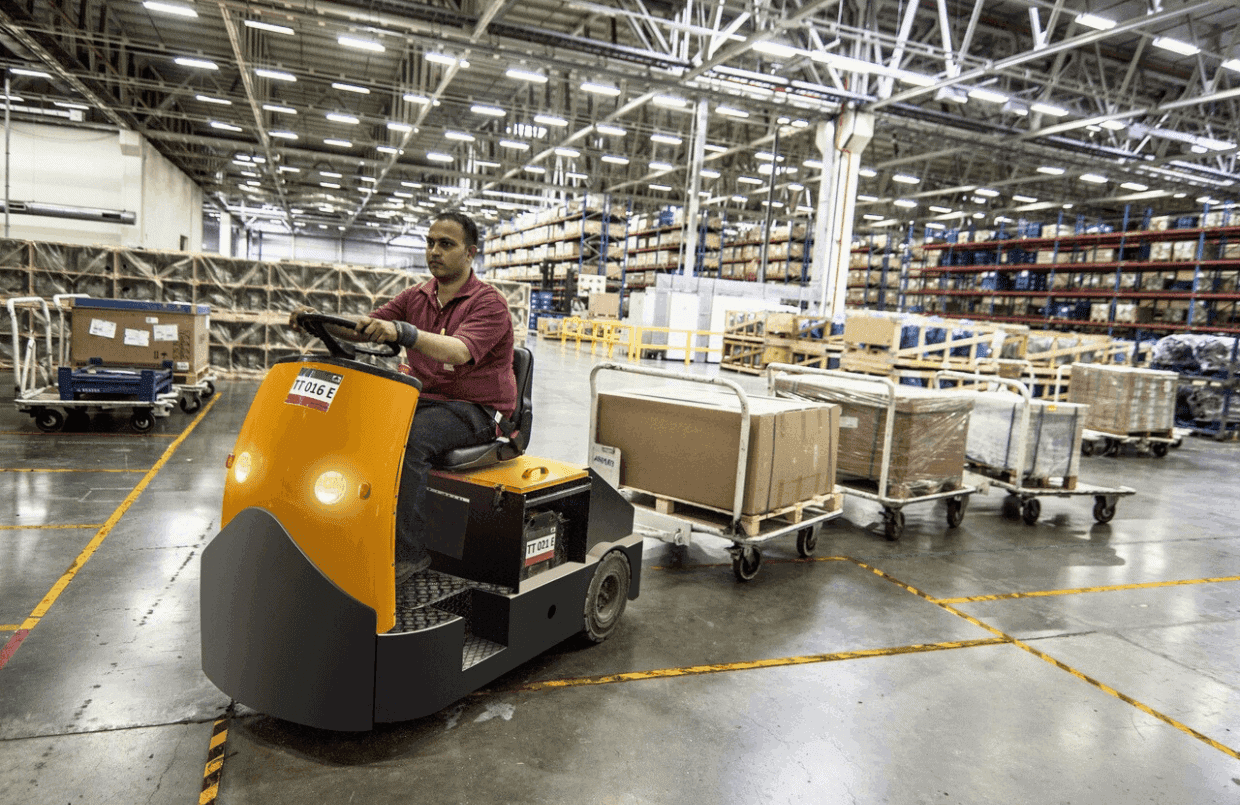
To prevent a parcel from getting stuck in customs, it's important that everyone involved in ecommerce logistics clearly understands their responsibilities, which taxes they need to pay, and what information they need to provide.
Let's look at the responsibilities of senders and foreign recipients.
Sender's responsibilities and costs
The sender is generally responsible for the following:
packaging shipments in accordance with current regulations.
Creating shipping labels that contain all the necessary and correct information, such as tracking codes, names and addresses, item weight, shipping date, etc.
Including a commercial invoice containing all the necessary information, such as the address, the sender's contact details, and the correct value of the item.
Making sure that details such as tariff codes and addresses are entered correctly.
Generating a list showing the number of items in the shipment.
Including a customs declaration form with an accurate description of the items and their values.
Checking the rules on prohibited categories of goods in various countries. If shipping by air, you can check the IATA website, which provides guidance on this, or ask the carrier you're using.
Paying the required taxes, customs clearance fees, VAT, and general duties.
Recipient's responsibilities and costs
The recipient, on the other hand, is responsible for the following:
making sure their name and address have been entered correctly.
Paying the necessary import duties and shipping costs.
Providing proof of address and identity documents, if requested.
Providing other relevant documents, such as purchase orders, industrial licenses, insurance certificates, etc., where applicable (usually for commercial imports).
How to optimize your international shipments
To scale your business and make your shipments abroad fast, simple, and accessible, you need to partner with the right provider.
Sendcloud has helped more than 23,000 retailers across Europe master international shipping with an integrated solution that offers:
effective multi-carrier shipping;
automated order processing;
simplified creation of customs forms;
generation of pre-filled shipping labels;
returns management across Europe via a self-service portal.
Discover how to optimize your international shipments with Sendcloud's automated logistics.

Author and researcher
How much time can you save on shipping?

Share
Recommended for you

Shipping Intelligence
Shipping
E-commerce
Best 9 Shipping Data Analytics Software Tools (2026)
E-commerce
Enterprise
The true cost of post-purchase: what e-commerce shipping really costs enterprise retailers

Shipping to a parcel locker: all the benefits and options
Adding parcel lockers to your shipping options is a smart move. Want to know why? Read our article to discover all the benefits.