


In the fascinating world of e-commerce, there's an invisible player that often works in the background but still has a decisive influence on your customers' overall experience: shipping optimization. It's the key that shapes not only the efficiency of your shipping process but also whether a customer becomes a loyal one.
As an online retailer, you face the daily challenge of meeting and exceeding your customers' expectations. In this article, you'll learn how clever approaches and practical tips can improve not just your shipping performance but your customers' satisfaction too.
Join us on a journey through the world of shipping optimization, where we'll discover together the key components that can give your e-commerce business a real edge. Ready to explore the often-overlooked aspects and take your shipping to the next level?
What does optimizing your shipping actually mean?
Shipping optimization is a strategic process in which every aspect of shipping and logistics management is analyzed and improved to ensure maximum efficiency and customer satisfaction.
The goal is to optimize the entire shipping process, from storing products through choosing carriers to delivery at the customer's door. With targeted measures, retailers can boost their competitiveness while exceeding their customers' expectations. Continuously adapting and improving these processes is essential to succeed in a dynamic e-commerce environment and to make shipping optimization a central part of business success.
What to keep in mind when optimizing your shipping
Efficient planning and effective execution of shipping-process optimization are crucial to the growth and success of your store. Unfortunately, this area is often neglected while many retailers focus on core tasks like adjusting shop design, writing product copy, and creating appealing product images. Those tasks matter, without question, but studies show the growing value customers place on flexibility in delivery options, a choice of carriers, and an easy returns process.
So it should be a top priority to offer customers what they're looking for when it comes to shipping. To succeed today, engaging seriously with shipping optimization and adapting your logistics accordingly is unavoidable. Here are our tips to help you meet your customers' needs while establishing efficient shipping processes:
Practical tips to optimize your shipping
1. A variety of carriers for robust logistics
Bringing in different carriers is crucial for robust shipping logistics. Even though DHL is a popular choice, relying on a single carrier risks disruption if there are technical problems or staff shortages. That's why we recommend integrating several carriers.
Especially during seasonal peaks, like holidays, additional carriers can make sure your logistics aren't overwhelmed by high demand. That keeps you flexible and ready to respond confidently to the unexpected.
As part of your shipping optimization, remember to offer fast express options too. Popular services like DHL Express or UPS Express can give your store a competitive edge.

2. A flexible checkout for happier customers
Your customers' satisfaction at checkout depends heavily on the shipping options you offer. Studies show that many customers abandon the checkout when the shipping options they want are missing. The willingness to pay for fast shipping is especially high these days, particularly among Generation Z. So offering a variety of shipping options is essential.
For a higher conversion rate, a diverse mix of payment methods is essential too. Today, that should include:
Pay on invoice (still popular in some European markets)
Major credit cards (Visa, Mastercard, American Express)
E-wallets (such as PayPal, Amazon Pay, Apple Pay, and Google Pay)
Bonus tip: with an Express Checkout feature, your customers can skip entering their delivery address by hand and go straight to payment.
For more on optimizing your checkout, we've gathered further tips in our article on checkout optimization.
3. Optimize your address data: precise shipping addresses for smooth deliveries
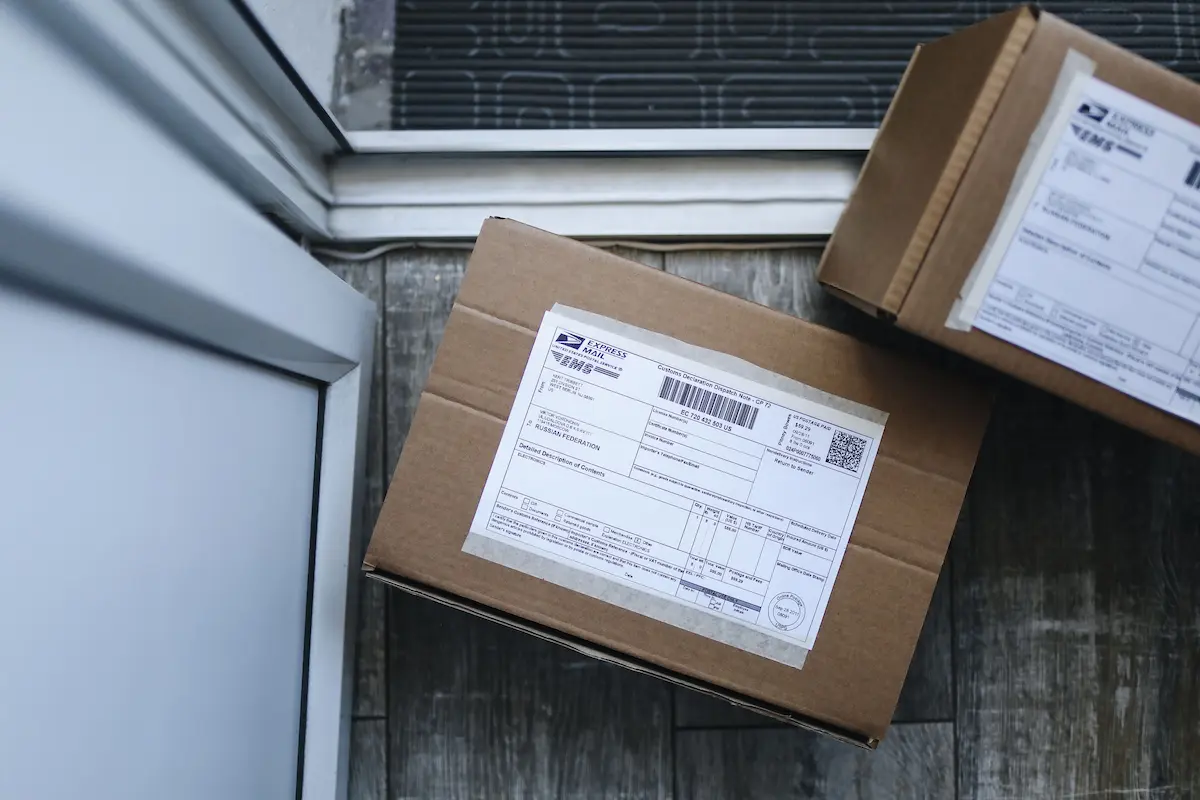
The basic question in the shipping process is: where exactly should the parcel go? This is where errors often creep in, whether through imprecise details or not observing country-specific standards, especially on international shipments.
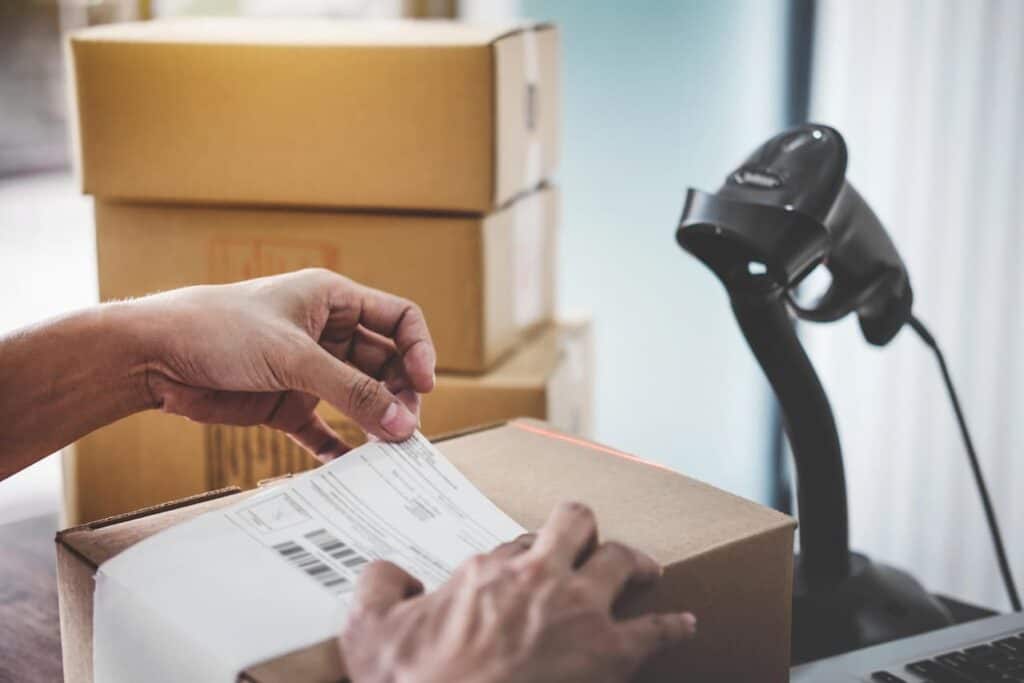
To make sure no errors occur, a label printer is indispensable for creating shipping labels. With a shipping label, the parcel can be scanned by the carrier and forwarded efficiently to the customer. It also prevents the misunderstandings that can arise from illegible handwriting.
A carefully created shipping label should include the following:
Recipient information:
Recipient's name (company or person)
Recipient's street
Recipient's house number
Any address details (such as floor)
Postal code of the recipient's city
Name of the recipient's city
Destination country (for international shipments)
Not just where, but where from: to optimize your address data, don't forget to include your own address. This matters not only for returns but is also essential so carriers can process your shipment at all.
Sender information:
Sender's name (company or person)
Sender's street
Sender's house number
Any address details (such as floor)
Postal code of the sender's city
Name of the sender's city
Country of origin (for international shipments)
Different countries, different customs: addressing shipments abroad
For international shipments, correct addressing often works differently than for domestic ones. The addressing system varies by country, and finding the country-specific postal codes can be a challenge.
International addressing tips:
Write the country name in the destination country's language or in English.
Use helpful online tools to find the right postal code.
Follow our examples for recipient addresses abroad:
Italy | United Kingdom | Switzerland | China |
|---|---|---|---|
Signora | John Sample | Frau/Herr | Mr. Jackie Chan |
In logistics, optimizing your address data is crucial to ensure smooth delivery. Use efficient tools and methods to minimize errors and boost the efficiency of your shipping processes.
4. Efficient labeling and packing for error-free shipping
Handling labeling and packing correctly is crucial to keep shipping running smoothly. Careless mistakes when labeling can lead to annoying shipping errors.
So stick to these tips:
Check labels at least twice
Attach them only after sealing the parcel
Take care not to cover barcodes or other important information
The label is most visible on the top of the parcel. It's even easier with dedicated label printers: the format adjusts automatically (A6) and the labels are self-adhesive.
The right packaging plays a central role too. Choose the right parcel size, high-quality packaging material, and customized solutions. Cardboard boxes are tried-and-tested shipping packaging. Make sure they're properly filled to minimize the risk of damage.
5. Precise details for smooth shipping: frank smartly and optimize your shipping
Incorrect dimensions and weight can become a costly problem for retailers. The assumption that you'll save money with false details often turns out to be a fallacy. Carriers' modern measuring equipment allows quick, reliable checks, and wrong details can cause not just delays but extra costs. Every carrier also has its own rules on maximum weight and size.
Tips for avoiding oversize fees:
Frank smartly: be sure to enter the exact dimensions and weight of your parcel to avoid unwanted fees and optimize shipping costs cleverly.
Keep oversize in mind: carriers like DHL have specific standards for parcel size and weight. DHL's standard parcel, for example, measures 120 x 120 x 60 cm and weighs up to 31.5 kg. Oversize parcels can incur extra costs.
Compare providers: it pays to compare the terms of different carriers. Oversize parcels can get more expensive over time, and other carriers might offer cheaper options. Comparing the major carriers is definitely worth it.
You can look up the exact size and weight rules with each carrier directly.
6. Label dangerous goods correctly
Certain goods require special transport procedures. But wait, what exactly are dangerous goods? These are all goods that are in some way toxic, highly flammable, or harmful to the environment (such as rechargeable batteries, batteries, or paints and varnishes). Shipping such goods calls for special preparation.
The right packaging is crucial to avoid damage to surrounding goods. You'll also need a safety data sheet (SDS) containing all the relevant information about the goods. The driver receives written instructions for handling in the event of an accident, and the shipment must carry a UN number and a visual hazard label.
Your carrier is your first point of contact for questions about transporting dangerous goods. Check the carriers' websites for their rules.
7. The art of appealing tracking: customer loyalty through smart shipping optimization
Modern online shoppers are demanding and want to keep an eye on their order status at all times. A meaningful tracking option is therefore indispensable.
Give your customers the chance to follow their order from start to finish. Personalized tracking pages or emails give customers important information about the shipping process, delivery times, and possible delays.
Make sure your tracking emails are attractively designed and match your brand image. Include your logo and color scheme, and use the opportunity to add promotional banners for new products or discounts.
A positive brand experience throughout the shipping process boosts customer satisfaction and encourages loyalty.
8. Smart handling of returns: a smooth process for happy customers
Returns are a challenge for many retailers and are often associated with loss and damaged goods. There are "return-heavy" sectors where return rates above 50% are not uncommon. Even so, every retailer should have a basic grasp of returns management and the right of withdrawal, and factor it into their shipping optimization.
The 14-day right of withdrawal within the EU
Within the EU, customers generally have 14 days to decide on a final purchase, and some stores extend this window. Asos, for example, updated its return terms in April 2019 and increased the right of withdrawal from 29 to 45 days. That puts customers under less pressure, but in turn means longer waits for the retailer, since the purchase can be withdrawn at any time within that window.
Refunding the costs
As a retailer, you're obliged to refund any costs already incurred if your customer decides not to keep the goods. Normally that's the purchase price and standard shipping. The buyer only covers the cost themselves in the case of express shipping or similar. It's also important to know that, as a store, you're not obliged to pay the return shipping costs. Offering free returns is, in fact, purely goodwill on the retailer's part.
From the moment the withdrawal arrives, you have 14 days to refund. If you've ever worried about whether you'll actually get your goods back: don't. To protect retailers, the law grants a right of retention. You can refuse the refund after a withdrawal until you've received the goods back, or the customer has provided proof that they've sent them.
Important for optimizing your shipping process: refusing a refund without a justifiable reason can have legal consequences.
A payment reminder or, in the worst case, a lawsuit are the possible outcomes. So when in doubt, always get in touch with the customer and explain the situation from your side.
Returns as added value for optimizing your shipping
Now for the positive side of returns. With the legal part settled, it's worth noting that returns can genuinely be seen as added value for your shipping optimization. A well-functioning service and an easy returns process build your customers' trust and tie them to your store.
It's proven that many customers check a store's returns process before ordering. Well-organized shipping optimization therefore also counters the abandonment rate.
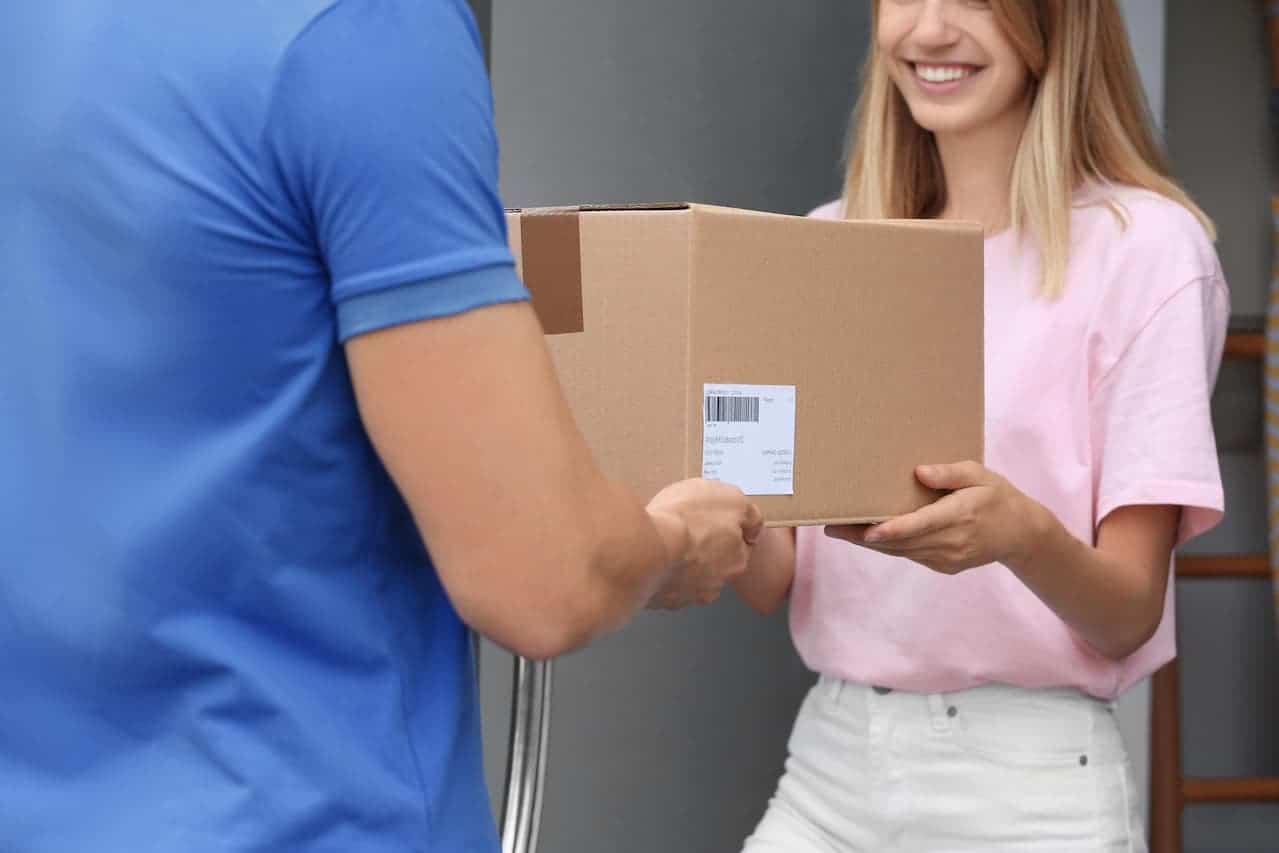
As a rule of thumb: the simpler the returns process, the happier your customers. You make returns especially easy with an enclosed return label. Safer, and still clear, are returns portals.
Whichever type of refund you choose, communicate it clearly in your store. Nothing scares customers off like running into unannounced costs at the end.
9. Important for shipping optimization: shipping insurance
One of the most common shipping mistakes is sending uninsured goods. No matter how well you pack and ship your products, damage and loss can never be entirely avoided. Of course, it's not worth insuring every single item, so it's always worth considering when insured shipping is worthwhile and when it isn't.
So weigh up whether the goods are worth insuring beyond the included standard coverage, since otherwise you risk losing both the shipment and the money. In general, for the sake of shipping optimization, we recommend insuring expensive and valuable items additionally. A loss there would certainly be painful.
10. Efficient inventory management for a smooth shipping process
An annoying picking mistake is failing to tell customers about sold-out items. We all know the feeling: you've finally decided on an item, then comes the disappointing news that it's sold out. Open communication is crucial here too, so you don't put potential customers off. Here are some tips for using efficient inventory management to avoid sold-out items and keep customers happy:
Automatic reordering: when reordering products, it's important to follow current trends and restock popular items easily. The rest is trickier. Automatic reordering systems can help.
Dropshipping: in your store's startup and growth phase, you can have goods delivered directly from the manufacturer, known as dropshipping. This prevents bottlenecks and enables smooth delivery.
E-fulfillment: e-fulfillment is another option, especially for larger stores. Here a third party handles the entire service, from receiving the order through to shipping. Your warehouse is outsourced and stocked externally (for example, Fulfillment by Amazon), which makes shipping optimization easier.
11. Keep shipping costs as low as possible
Free shipping is a major incentive for online purchases. Around 80% of online shoppers feel encouraged to complete a purchase by free shipping. It's a common mistake to charge customers extra costs after the fact. Retailers have few ways besides the goods themselves to generate income, so saving on shipping costs matters.
To do that, start with one thing: set a minimum order value. Set thresholds above which you ship for free (for example, from an order value of €50). Customers often buy more than planned, which benefits your business. Free shipping encourages purchases and is more effective than discounts. Time-limited free-shipping offers boost willingness to order too.
Got a taste for lowering your shipping costs? In this article we've listed tips for shipping parcels even more cheaply.
12. Optimize your shipping through greater transparency
As you should know by now, clear communication and high transparency are crucial for shipping optimization. 57% of online shoppers abandon their purchase when unexpected costs appear at the last minute. So be transparent from the start. It's frustrating to see your bounce rate rise simply because of poor communication.
Highlight your advantages clearly. But don't hide it if you don't offer free returns. Plus points can be various shipping options, a full warehouse, or a choice of payment methods.
Ship smart with Sendcloud, the all-in-one solution for your shipping optimization
Here's how smooth shipping works. Optimize your entire shipping process with Sendcloud, from precise addresses through efficient labeling to transparent tracking and much more:
A variety of carriers: with Sendcloud you can set this up easily without any coding, and work efficiently with the best providers thanks to automated shipping rules.
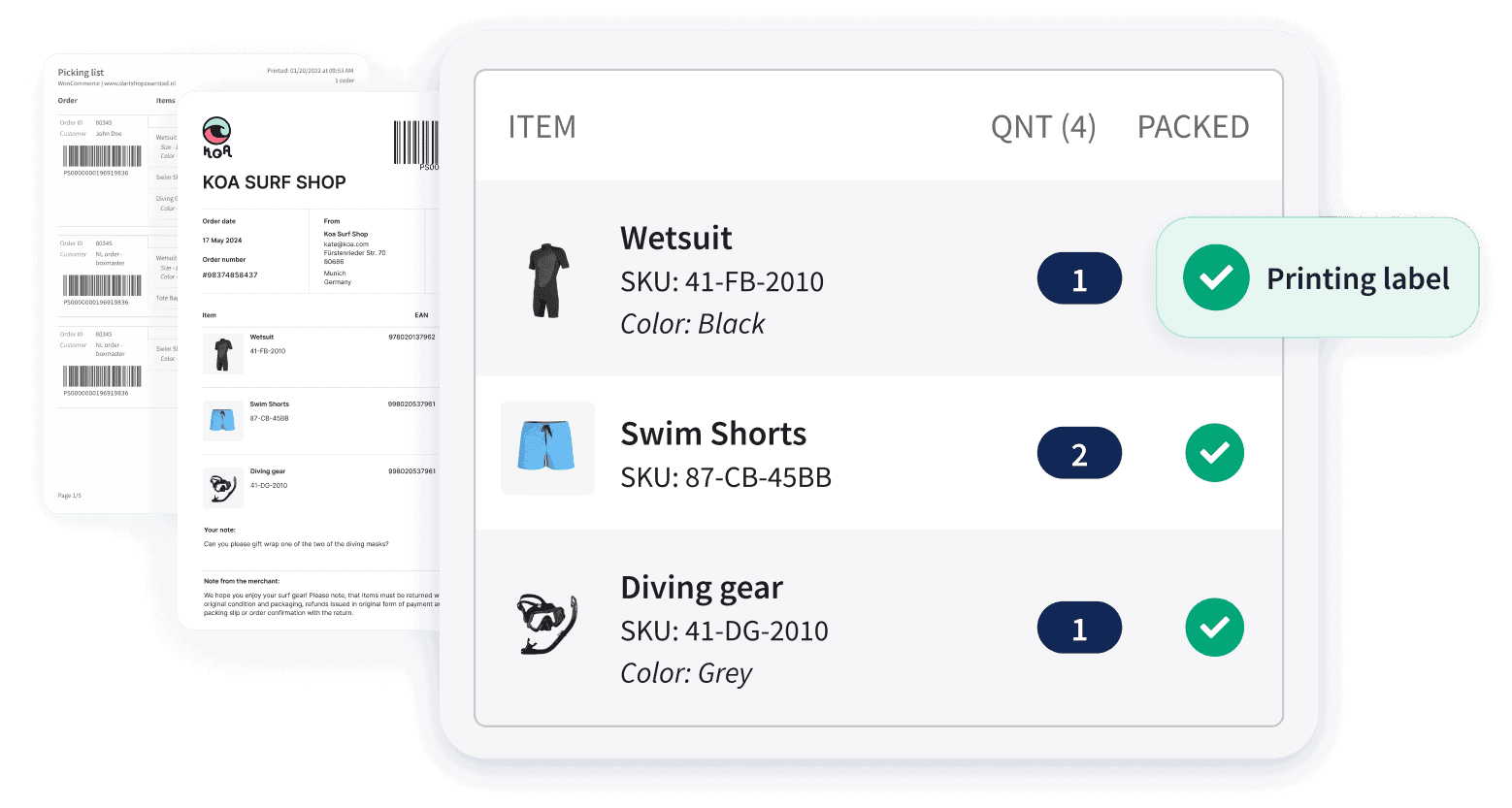
Correct shipping addresses and efficient labeling: with Sendcloud you manage sender and recipient addresses in no time and create the right shipping labels in just a few clicks.
Appealing tracking with Sendcloud: create personalized tracking pages or emails for your store with ease. Our tracking experience enables smooth communication in international shipping too, since languages can be adjusted in a few clicks. Design your tracking emails with your logo and color scheme, add your Instagram feed, and easily create promotional banners for new products or discounts.
Handle returns easily: with Sendcloud you get a fast, simple online returns portal that you can design in your store's style. Your personalized returns portal makes the process more pleasant for your customers while reducing your workload.
Optimize your shipping with additional insurance: platforms like Sendcloud give you the handy option of insuring your parcels further when needed. Your shipments are automatically insured up to a value of €500, €510, or €520 when you ship with DPD, DHL, GLS, or UPS. In the event of damage or loss, you can claim compensation from the carrier by submitting a form and photo evidence.
More than 25,000 retailers across Europe have found a successful solution with Sendcloud. Discover for yourself how Sendcloud brings every aspect of shipping optimization together in a single solution. Request a free demo and see how it works in just a few steps.


Author and researcher
As Global Content Manager at Sendcloud, Johanna leads content strategy across e-commerce, logistics, and shipping automation. With a background in B2B SaaS and a passion for clear communication, she creates educational resources that help over 30,000 online stores optimize and scale their shipping operations.

Subject matter expert
Huib Adriaans is the VP of Enterprise at Sendcloud and the founder of Tracey. With 10+ years in the logistics space, he leverages shipping intelligence and data-driven insights to help merchants reduce "Where is my parcel?" enquiries and build world-class delivery experiences.
How much time can you save on shipping?

Share
Recommended For You

Shipping Intelligence
Shipping
E-commerce
Best 9 Shipping Data Analytics Software Tools (2026)
E-commerce
Enterprise
The true cost of post-purchase: what e-commerce shipping really costs enterprise retailers

Shipping to a parcel locker: all the benefits and options
Adding parcel lockers to your shipping options is a smart move. Want to know why? Read our article to discover all the benefits.