


Online marketplaces keep getting more popular, as shoppers turn to them for the convenience, selection, and trust they offer. For many e-commerce sellers, being on the right marketplace opens the door to customers you’d never reach through your own store alone.
What is a marketplace?
A marketplace is a digital platform that brings together different online stores selling third-party products or services. It acts as an intermediary between a buyer and a digital seller.
In other words, a marketplace works like an online shopping mall where different e-commerce stores are grouped together.
As we covered in our article on the 10 best e-commerce platforms, being on a marketplace doesn’t mean you need your own online store — you can upload your catalog directly or sell through dropshipping.
In this article, we’ll walk you through the best online marketplaces for e-commerce sellers, and explain how each one works.
Types of marketplaces you’ll find
There are pros and cons to selling on a marketplace, but it’s undoubtedly a good option for growing your online store’s sales. Which one makes sense for you depends on your store’s specific characteristics.
By customer type (consumer or business): if you’re an e-commerce seller focused on consumers, the marketplace model you want is B2C (business to consumer).
By the products they sell, marketplaces can be vertical/niche or general. Zalando (fashion) and Etsy (craft and handmade goods) are examples of vertical marketplaces. Amazon, where you can find just about anything, is an example of a general marketplace.
By how the platform is managed, marketplaces can be (among other models) P2P (peer to peer) or fully managed. AliExpress is an example of a P2P marketplace, where you handle shipping, returns, and customer service yourself. Amazon is an example of a managed marketplace.
The 6 best online marketplaces
On this list, you’ll find marketplaces that operate globally, alongside a couple of specialists. Some are general marketplaces where you can sell just about any product, while others focus on a particular niche.
Here’s our pick of the best online marketplaces:
Amazon

With more than a billion visits a month in Europe alone, Amazon leads the pack of global marketplaces. Selling on Amazon also builds consumer trust, helps with positioning, and gives you a very complete analytics dashboard.
That all sounds great! At first glance, selling on Amazon looks like the best way to get started. But that’s not always the case.
Amazon makes everything so easy that you can end up feeling lost in it. That said, it has thought through solutions for a wide range of seller preferences.
It has a Vendor Center for suppliers and manufacturers, and a Seller Center for online retailers. Within that group there are different options too, since you can handle your own shipping and returns or leave it to Amazon through the Fulfilled by Amazon (FBA) program.
Selling on Amazon means constantly checking your stats and your competitors’ products, and pushing your prices down to stay competitive.
With so many sellers on the platform, it’s genuinely hard to land your product in the top spots — you’ll be competing against thousands of identical products at a lower price.
We’re not trying to paint Amazon’s marketplace in a bad light. It’s our number 1 pick on this list for a reason.
The point is, it doesn’t have to be a marketplace you absolutely must be on. Especially when you’re just starting out, depending on the type of products you sell, it might make more sense to start with smaller, more manageable marketplaces to find your footing first.
Keep reading, there’s more to come!
eBay
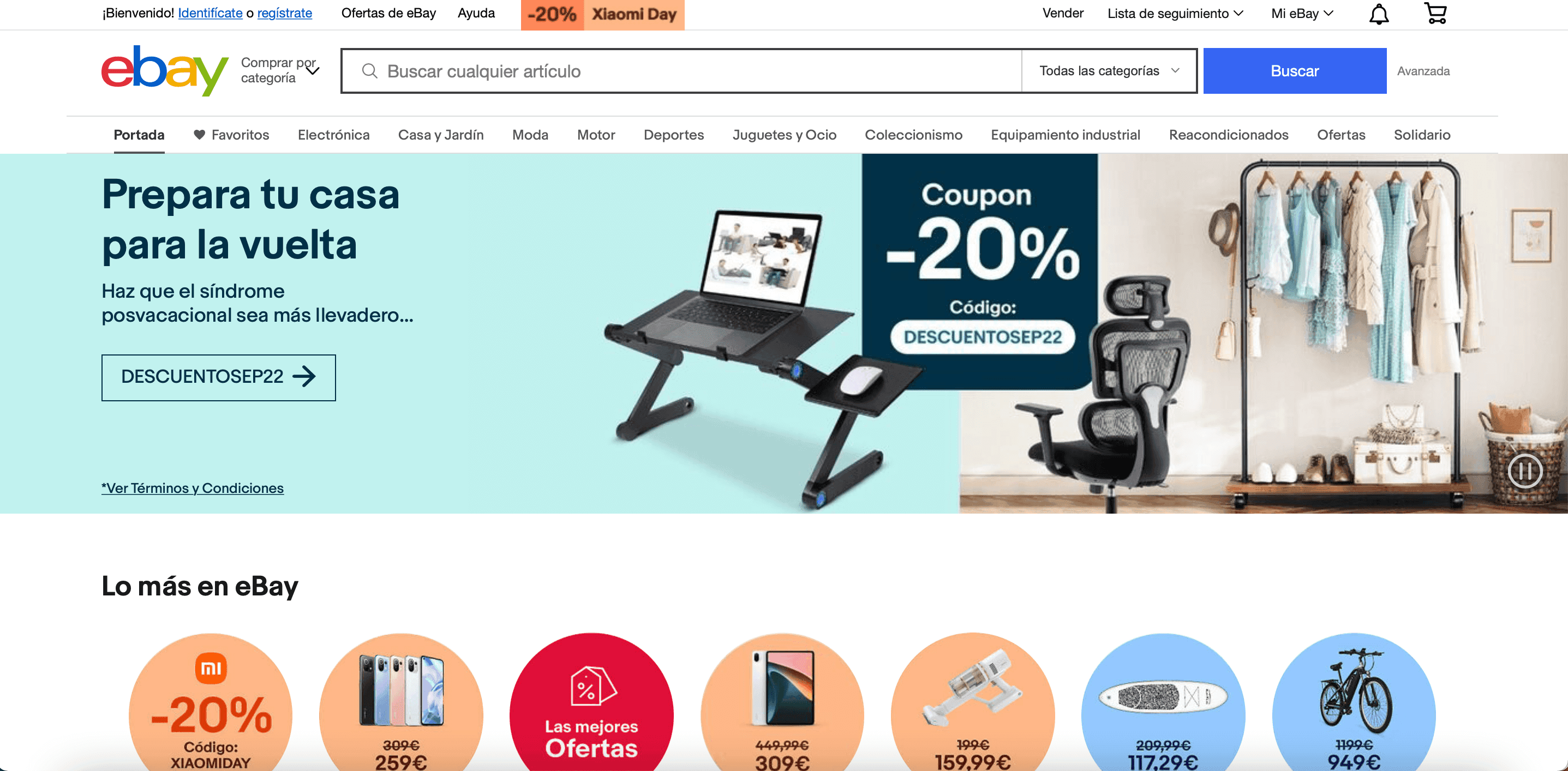
Unlike Amazon, eBay is a digital go-between for third parties. In other words, it facilitates transactions between sellers and buyers, but it isn’t a seller itself.
That said, it now offers a seller platform where you can access your payment account and monthly fees, or manage your shipping and returns through eBay’s own logistics services.
Like many international platforms, eBay runs local sites for dozens of countries, each built for that market. On top of your local site, you also get the chance to sell worldwide, through two selling formats: basic and advanced international selling.
AliExpress
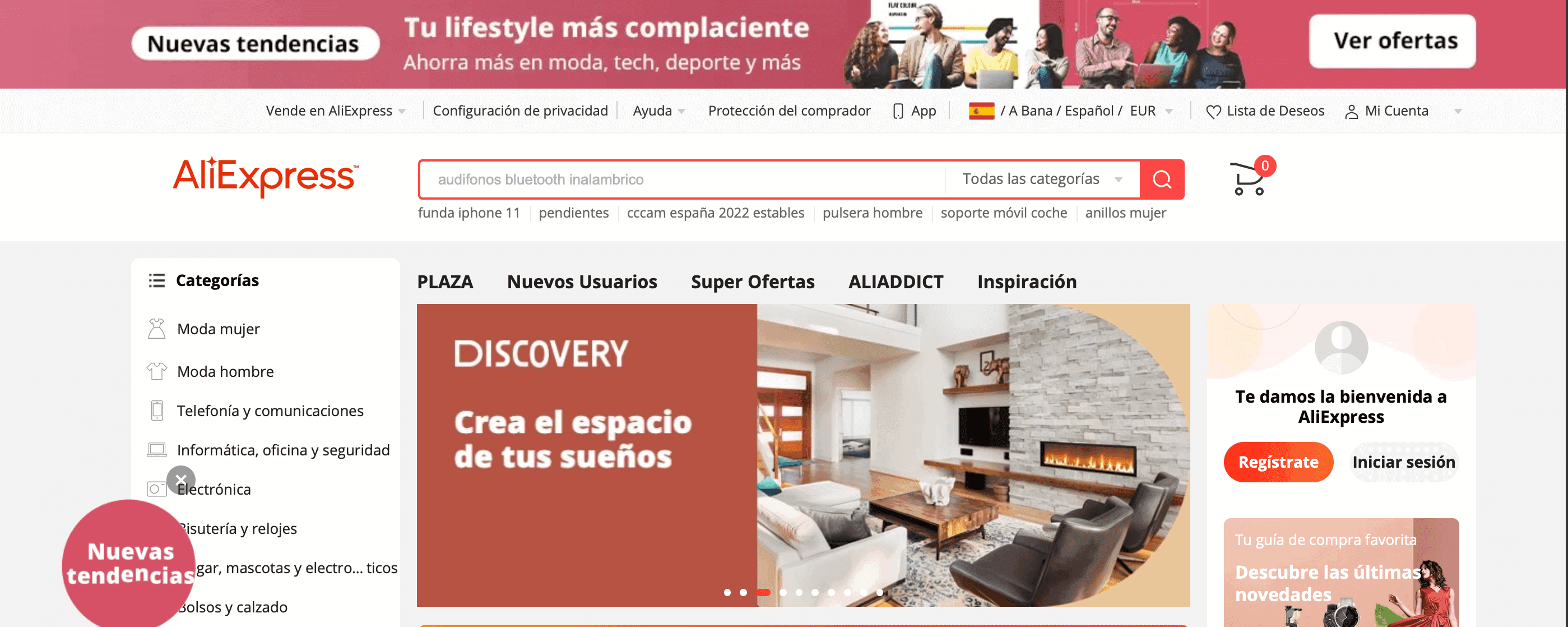
The best-known of the Asian marketplaces is in the process of going international. When you register as a seller on its digital marketplace, you have to choose your country, and there’s a real difference between selling from mainland China and selling from any other available country.
It’s worth pointing out that many shoppers still don’t realize this, and assume buying on AliExpress always means ordering from China. In reality, you can sell locally through AliExpress too, no matter where your business is based.
AliExpress still doesn’t offer its own logistics service for sellers, so there’s no choice here: you handle the entire shipping process yourself.
What’s the difference between AliExpress and Alibaba?
Whenever AliExpress comes up, Alibaba usually does too. Are they the same marketplace under a different name? Not exactly: AliExpress focuses on individual end customers, while Alibaba targets businesses.
That doesn’t mean an individual can’t buy on Alibaba — it’s just that instead of buying a single item, you’ll probably need to buy in batches of 10 or 20 units.
Is selling on Alibaba worth it for you? If you sell bulk lots to individuals, yes. If not, you’re probably better off using it to buy items or components for your own store’s products, since prices are wholesale.
Fruugo

Fruugo is a British marketplace with an international presence.
Fruugo is a general marketplace where you can find almost anything, so it’s open to sellers across many different product categories.
And since it’s an international company, your sales aren’t limited to your home market. Fruugo works in more than 20 currencies and 15 languages, so your products can find their way into other markets too.
ManoMano
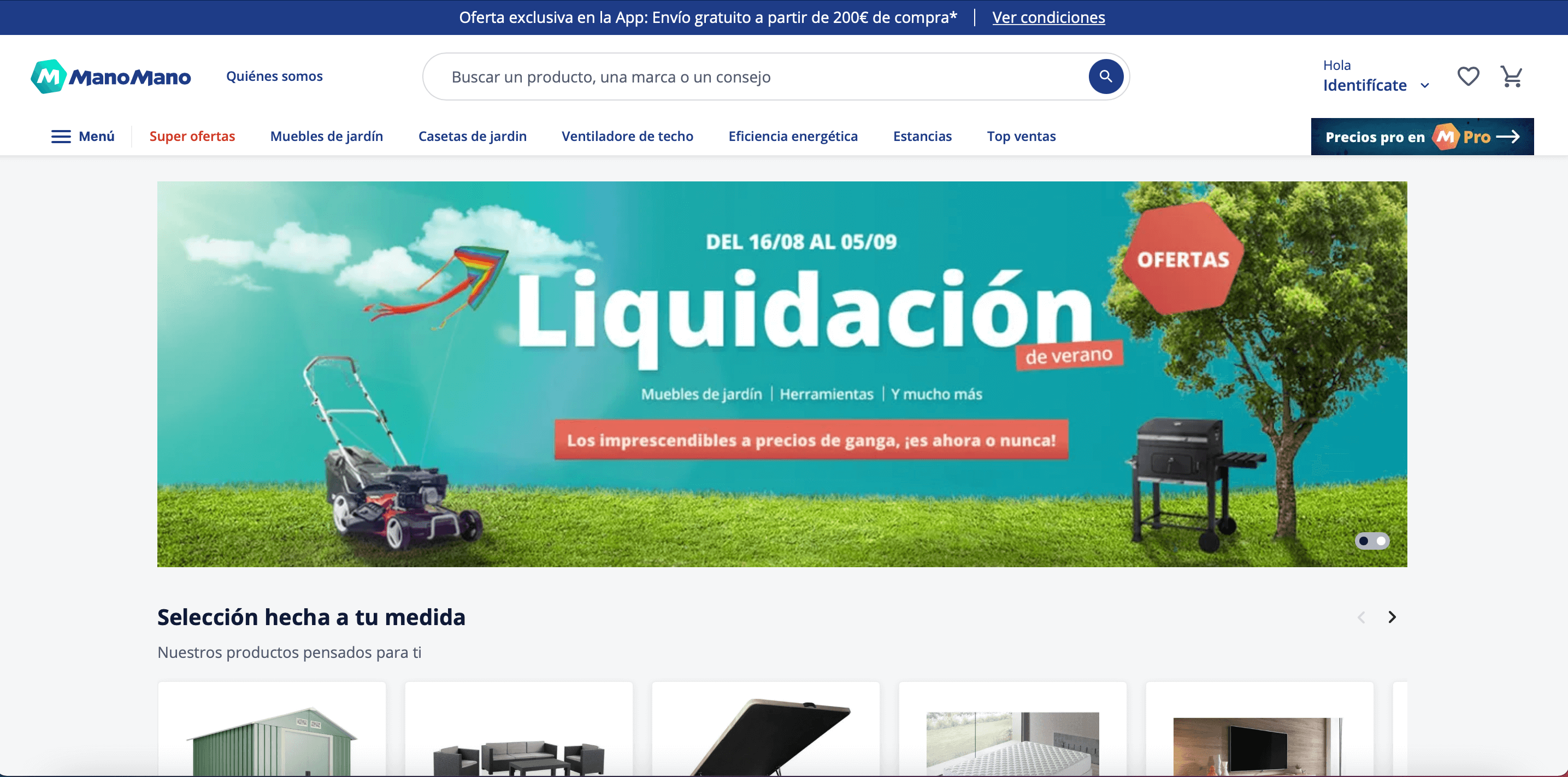
ManoMano is a niche marketplace: Europe’s DIY specialist.
Despite the name, which might suggest an Italian or Spanish origin, ManoMano actually started in France, with a strong presence across Europe.
Some marketplaces limit their reach to a single country. With ManoMano, though, you get access to international sales across Europe.
Etsy
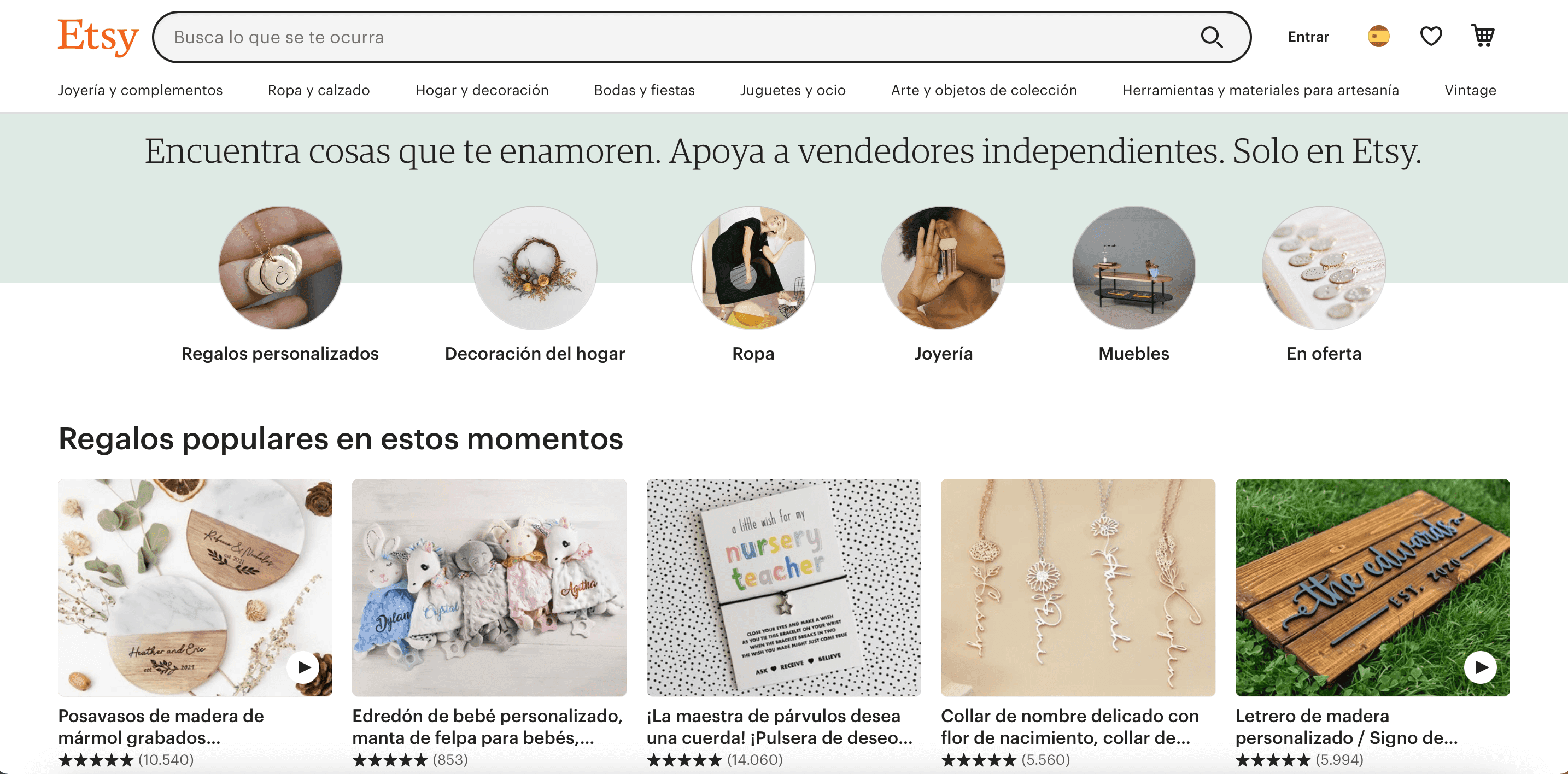
We couldn’t close out this list without mentioning Etsy. Although it’s a very tightly defined niche marketplace, Etsy has a global presence, a well-built mobile app, and tens of millions of active buyers worldwide.
If you’re in the creative or craft business, you need to be on Etsy!
Unlike the marketplaces above, which cover many different product categories, Etsy is focused specifically on handmade and decor products.
How to manage your shipping across marketplaces
As we’ve seen, marketplaces take care of a lot for you: positioning, product visibility, digital payments, and more.
But remember, your package’s journey isn’t over until it reaches your customer’s hands.
Some marketplaces offer their own logistics system, but not all of them do, and the ones that do come with their own conditions. If you need full control over your own logistics, the most practical and reliable approach is to work with a shipping platform like Sendcloud that connects your carriers, labels, tracking, and returns in one dashboard.
You can create a free account and try it for 14 days, or request a personalized demo with our experts.


Author and researcher
Marina Fernández leads the Communications craft, creating e-commerce, B2B, and SaaS content. She ensures that every piece of content is of the highest quality and effectively meets its intended purpose.
How much time can you save on shipping?

Share
Recommended For You

Shipping
Integrations
Best Shopify shipping apps: compare features, pricing & automation
Compare the best Shopify shipping apps for automation, carriers, labels, tracking, returns and international shipping. Find the right app for your store.

Shipping
Shopify shipping automation: How to automate your fulfillment workflow
Learn how Shopify shipping automation helps you automate fulfillment workflows, reduce shipping errors, save time, and scale with Sendcloud.

Shipping Intelligence
Shipping
E-commerce