


Upselling and cross-selling are two marketing techniques through which you offer the customer the purchase of better products or services that complement what they've already put in their cart.
They're often winning strategies because they leverage the customer's psychology and purchase perception.
These days there isn't an e-commerce that can do without them, also because the tools available to online sellers for carrying out upselling and cross-selling are truly many.
In this article we'll look at all the most important ones, and we'll show you with practical examples how the big brands use them to increase revenue.
Finally, we'll suggest the best apps for doing upselling and cross-selling on every e-commerce platform.
Enjoy the read!
Why upselling and cross-selling work
Upselling and cross-selling are marketing strategies that leverage the customer's psychology at the best moment: when they're already buying.
In fact, they're very winning strategies because they're put into action when the customer's decision-making process has already concluded in favor of "yes".
Most of the time, the customer's perception when faced with an upselling or cross-selling strategy isn't that they're spending more, but that they're saving.
We'll explain exactly what we mean later in the article.
Like social commerce, almost every e-commerce nowadays uses them.
In the meantime, a small warning: you can use both to increase your e-commerce sales, but these strategies aren't the same as each other.
Upselling and cross-selling aren't synonyms and above all they aren't interchangeable as sales techniques.
If for some purchases cross-selling is almost a given, for others it will be impossible, and the same goes for upselling.
So how do they differ?
What is upselling
Upselling consists of leading the customer to buy a higher-quality item than the one they've bought in the past or are about to buy.
A more expensive product, then, that is nonetheless considered better for its technical features or for the advantages and functionality it has.
As in the case of subscriptions or software. Just think of the classic Spotify example: the service is free in itself, but by taking out a monthly subscription the user gets streaming with no ad interruptions.
This example is important to help us understand that upselling, like cross-selling, can also be applied to selling services.
What is cross-selling
Cross-selling consists of presenting the consumer with products complementary to the one they intend to buy, or have already bought.
Products they need in order to use the first one, like batteries or chargers for electronic devices.
Or products simply relevant to what they bought. For example, if I'm about to buy an exercise mat, Amazon or Decathlon will suggest other related sports items like weights, resistance bands, a water bottle, towels, and so on.
When to use these two techniques
Before we look at how to do upselling and cross-selling the right way with your e-commerce, a premise is in order. As with other sales techniques, it's essential not to overdo it and to know when you can use them.
Otherwise, instead of increasing revenue, you'd risk losing a potential customer.
Often, in fact, e-commerce stores make the mistake of suggesting products that belong to a different price range from the one the user is considering.
By showing something better that they can't afford, they end up discouraging the customer from completing the purchase or leaving them disappointed and dissatisfied with what they then buy.
Also, it's essential to understand the right moment to show the user alternatives. We advise against doing it as soon as the user lands on the product page, because they might leave it right away.
It's better to wait until they reach the bottom of the page or have already added the product to the cart.
Remember that the key point lies in creating added value for your customers, strengthening the bond of trust and offering them exactly what they're looking for.
How to do upselling
As anticipated, there are various ways to do upselling in online selling.
Depending on the type of business (retailer of physical goods or of services) and the channel (on the site during checkout or with email marketing), you have plenty of possibilities to put this incredible sales technique into practice.
And now let's look together at some practical examples that will be very useful for your e-commerce.
Bundling: saving on the total
Bundling consists of offering the consumer packages of products at a convenient, or rather lower, price: whoever buys has the perception that they're buying something for a price lower than its value, sniffs out the deal, and closes it with a smile.
Bundling is very common online. Some clear examples are travel-service providers like the low-cost airline EasyJet and the most famous booking portal in the world, Booking.com.
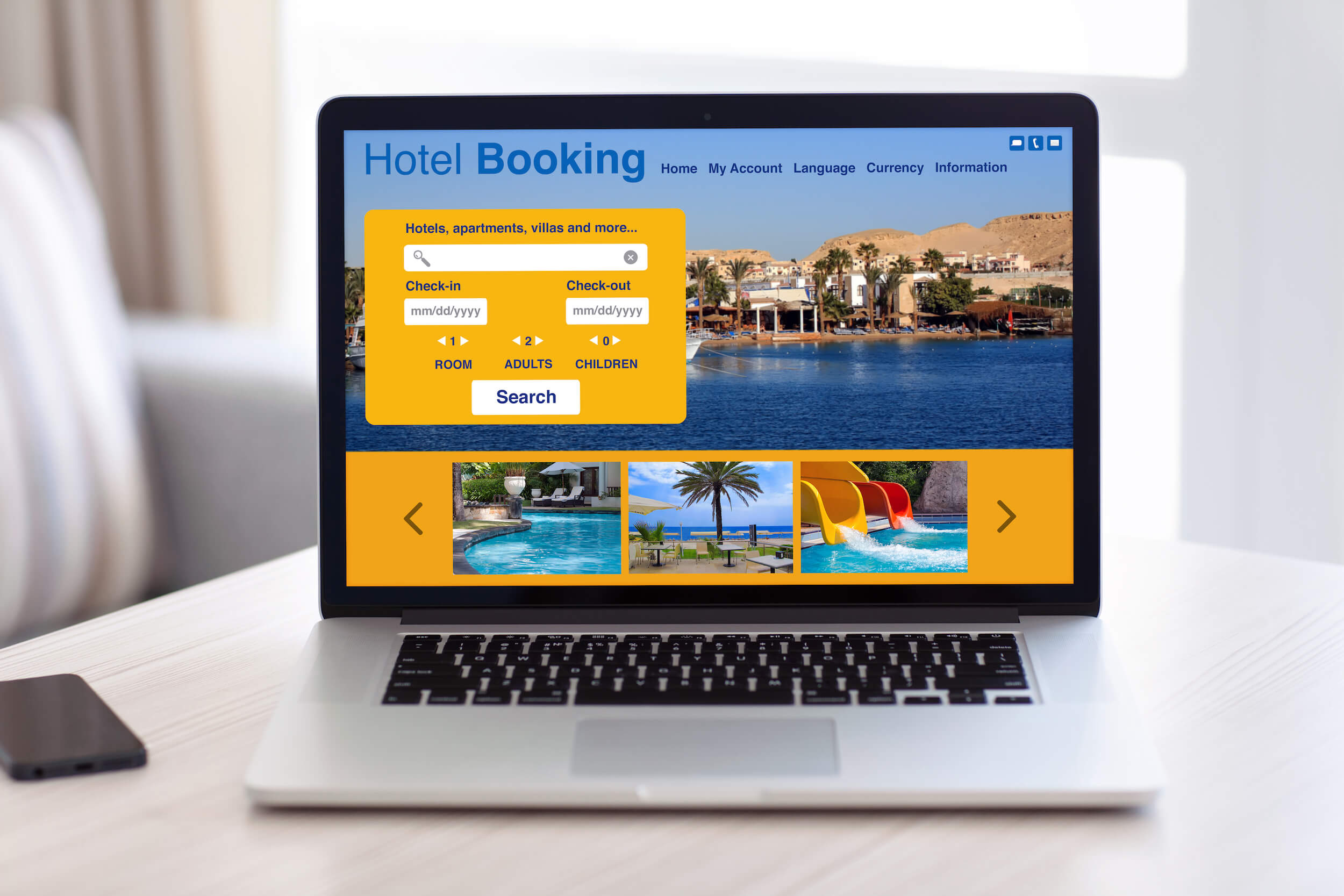
The first has perfectly embedded its upselling strategy into the customer journey. The moment you're buying your flight, you're presented with other options to improve your travel experience, like choosing your seat or priority boarding.
In exchange for a small surcharge, then, the airline offers the chance to enjoy a more comfortable trip.
Booking.com, instead, offers its users free benefits during booking like a taxi transfer to reach the property from the airport. Free benefits if users are willing to spend more on their stay.
Smart, right?
Product Comparison: a much better product for a few pennies more
Comparing different items (or different packages in the case of services) lets you highlight the many advantages the end user could get from buying a slightly more expensive product.
This technique works very well for electronic devices or computers.
The psychological levers in this case are two: whoever buys is willing to spend a not-insignificant amount and knows that long-term quality will make the difference.
As a result, for a few pennies more it's worth buying a product with superior features that will last longer and has more functionality.
Free shipping: avoiding a pointless expense
In the specific case of e-commerce sites, one of the best-performing upselling techniques is undoubtedly the one concerning free shipping.
E-commerce shipping costs, in fact, are one of the biggest causes of cart abandonment.
Many users who reach checkout with the idea of spending a certain amount on their shopping aren't willing to spend more on a service that adds nothing to their purchase and that should be borne by the seller.
As also emerged from our latest consumer research, most of them are willing to add other products to the cart to reach the minimum spend threshold for free shipping.
Consumers are willing to spend more to avoid this pointless expense.
How to do cross-selling
To do cross-selling well, you need to anticipate what your customers' needs will be and offer them additional products that fill that gap.
You need to improve their shopping experience based on the items they've already bought.
Also, you can leverage social proof, showing items that other users have bought and thus creating a sense of trust toward the product.
Cross-selling can also be used after the user has made the purchase, for example with email marketing: you just send them an email recommending further products that pair with their purchase.
Now let's look at the two most common strategies.
Related products: I'm missing this
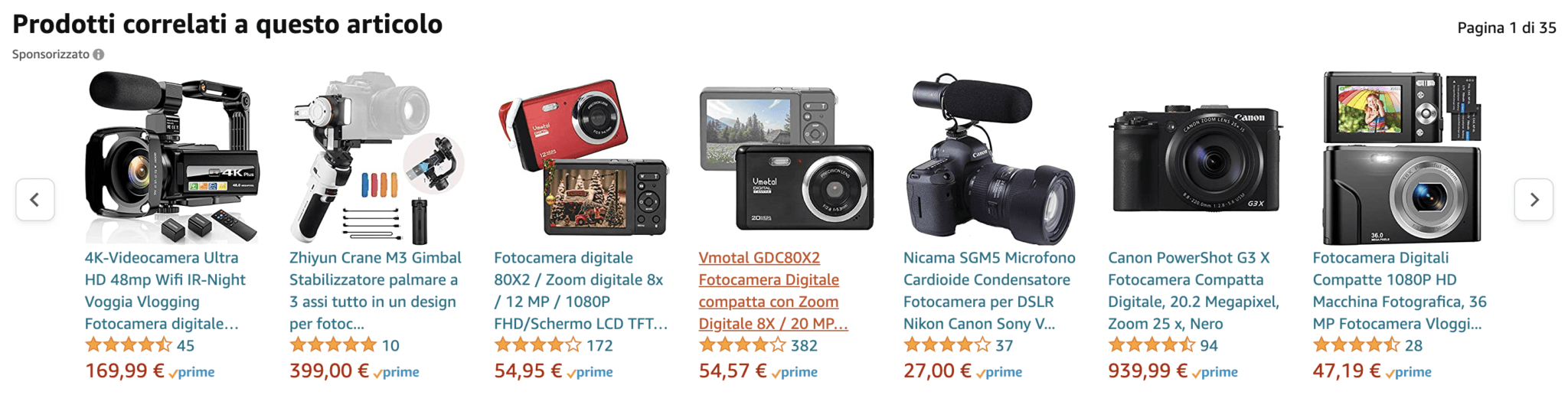
Have you ever noticed the line "Customers who bought this item also viewed…" or "You might also like…"? Well, that's cross-selling with related products.
In this case the customer is offered products related to the one they're viewing.
The customer, wallet already open, feels their shopping experience wouldn't be complete without these other items. They feel the lack of them and want to fill it so as not to be left half-satisfied.
Amazon and Zalando, as very often happens, are masters at this and have perfected this technique by adding dedicated sections to their pages, which appear as soon as the user scrolls down.
Complementary products: I need this
If sometimes the lack is perceived, other times it's real.
This is the case of cross-selling with complementary products: the user is shown products necessary to use the first one, like batteries, chargers, cables for electronic devices, or film for cameras, and even detergents for washing machines and dishwashers.
When an item can be paired with others to improve the overall purchase experience, it's offered with phrases like "Often viewed together" or "Frequently bought together".
Cross-selling with Sendcloud
A small aside: would you ever have imagined that a shipping software can let you do cross-selling effortlessly?
Well, you don't need to imagine it, we'll show you now.
With Sendcloud, in fact, you can send branded tracking emails personalized with the message you prefer. And you can also add an advertising banner where you show your products.
So why not use those banners to show products complementary to the ones purchased?
Visit our "Branded Tracking" page and discover all the benefits of this feature.
Discover Sendcloud's new tracking
Apps and plugins for doing upselling and cross-selling
And now let's get to the apps or plugins that let you do cross-selling and upselling on the various e-commerce platforms.
If you're using one of these platforms for your e-commerce, you just need to download the right extension to quickly add upselling and cross-selling options to the customer journey.
Upselling and cross-selling WooCommerce plugins
WISDM Custom Product Boxes
This plugin for doing upselling and cross-selling with WooCommerce lets you, and the users themselves, create product bundles. Also, the bundle price can be fixed or dynamic.
YITH WooCommerce Frequently Bought Together
The YITH extension for cross-selling lets you customize the widget by deciding what size and position it will have on the page. The plugin gives you maximum freedom in creating links between products and lets you create discounts for items bought together.
Upselling and cross-selling Shopify apps
Frequently Bought Together
The Shopify Frequently Bought Together app lets you create product bundles and customize the purchase recommendations shown to the user.
Cross Sell Recommended Products
The app for doing cross-selling on Shopify shows products related to a given purchase; the suggestions appear inside a pop-up when the user adds a product to the cart.
Upselling and cross-selling Magento
Magento 2 Cross Sells extension
This extension for Magento 2 lets you create rules to link different products; the suggestions are made based on the user's visits and purchases. It also offers the option to show only in-stock products.
Upselling and cross-selling Prestashop plugins
Advanced Pack 5
The plugin for Prestashop lets you create coherent product bundles; an integrated assistant is available to make things easier. It also provides information on product stock availability.
Upselling and cross-selling Wix
Velo by Wix
Velo lets you create a gallery of related products and include the ratings left by other consumers to give sales a boost.
Multiorders
With this extension you can put together product bundles, but also sell the items included in the bundle separately. Also, Multiorders keeps track of inventory as orders are placed.
Conclusion: use psychology the right way
We've reached the end of this article, in which we explained the difference between upselling and cross-selling in e-commerce and all the psychology behind them.
We've really seen everything about these two sales techniques:
How these techniques are useful both for those who sell physical goods and for those who sell services (from Amazon and Zalando to EasyJet and Booking, the internet is full of successful examples);
how timing in communicating the other options or complementary products plays a fundamental role (that is, at the moment customers are buying or right after they've completed the purchase);
some of the most common techniques (bundling, free shipping, related products, and complementary products), and the most famous apps and plugins for each CMS.
Before we leave you, we want to add one more thing.
We've shown and explained in depth the psychological levers that let these techniques succeed: use them the right way!
Put your customers at the center and not your earnings, give them what they really need, aim at their satisfaction, not your own.
Only this way will you truly succeed in sales.
And now it's your turn: how have you integrated upselling and cross-selling into your e-commerce?
Share your strategy and your questions with us by leaving a comment!
How much time can you save on shipping?

Share
Recommended for you

Shipping Intelligence
Shipping
E-commerce
Best 9 Shipping Data Analytics Software Tools (2026)

VAT on shipping costs: how does it work?
Why do you pay VAT on shipping costs? Which VAT rate should you use, and how do you pass it on smartly to your customer? Find the answers in this guide.

5 tips to speed up your online store for more conversions
Speeding up your online store is essential for more conversions. Read 5 tips here that help you improve your site speed!